Kai Lossgott · 2019 · Artist publication
No page is blank, no thing is pure. No thing is big or small. No ink or pixel is an atom or a void. These letters and the spaces between are the colour of your perspective, understood in decolonial thought as knowledge coming from a body, and bodies have histories and destinies. Mine does. So does yours. In contemplating the closeness of your stare, your fingers, these pixels, ink or pulp particles, and everything currently unsustainable about the production of the object-body you are holding that gazes back at you — everything that is not immediately visible about its carbon footprint, the long journeys of materials into your hands — I was struck by the historical role of elsewheres, nowheres and nothings in the capitalist colonial imagination.
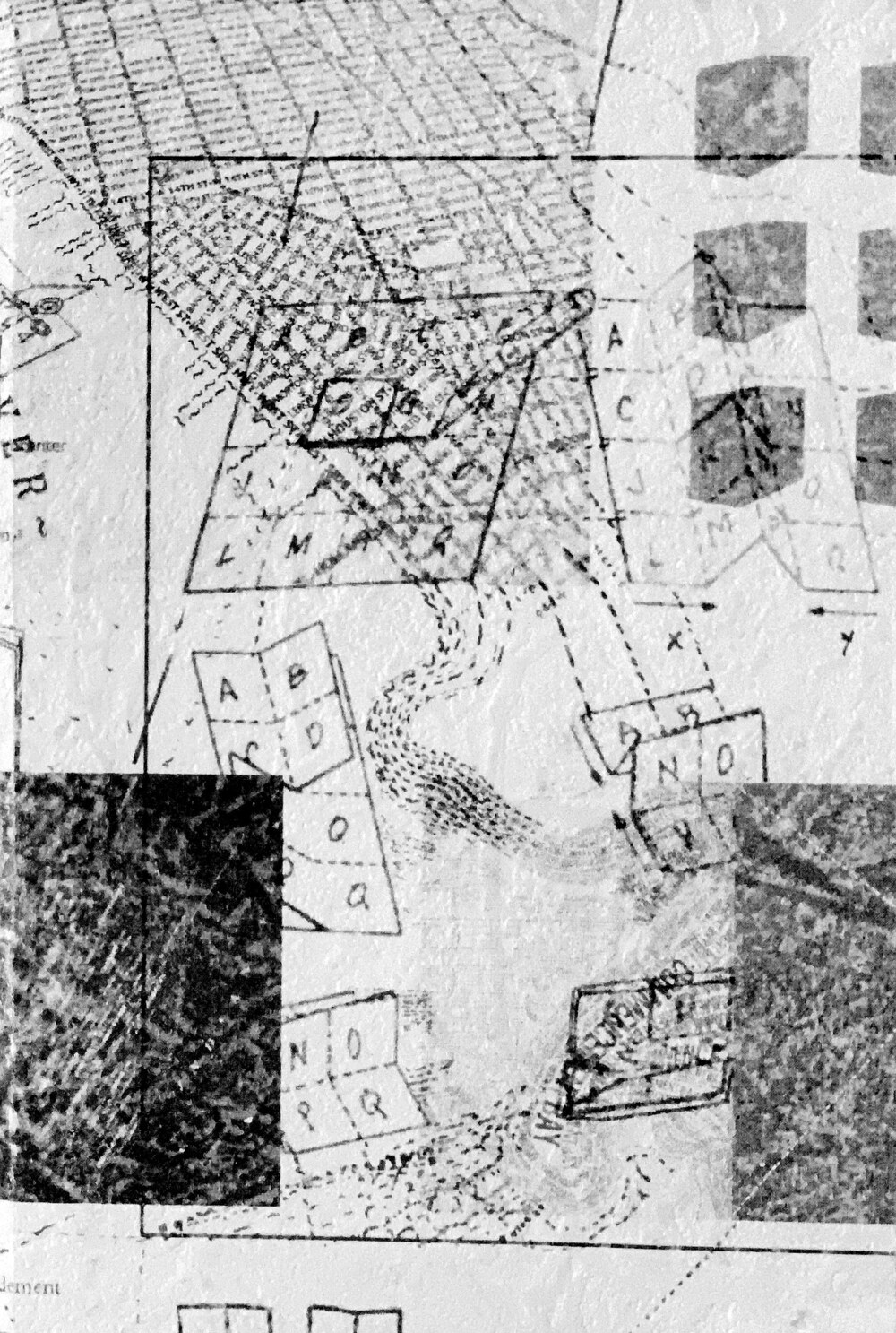
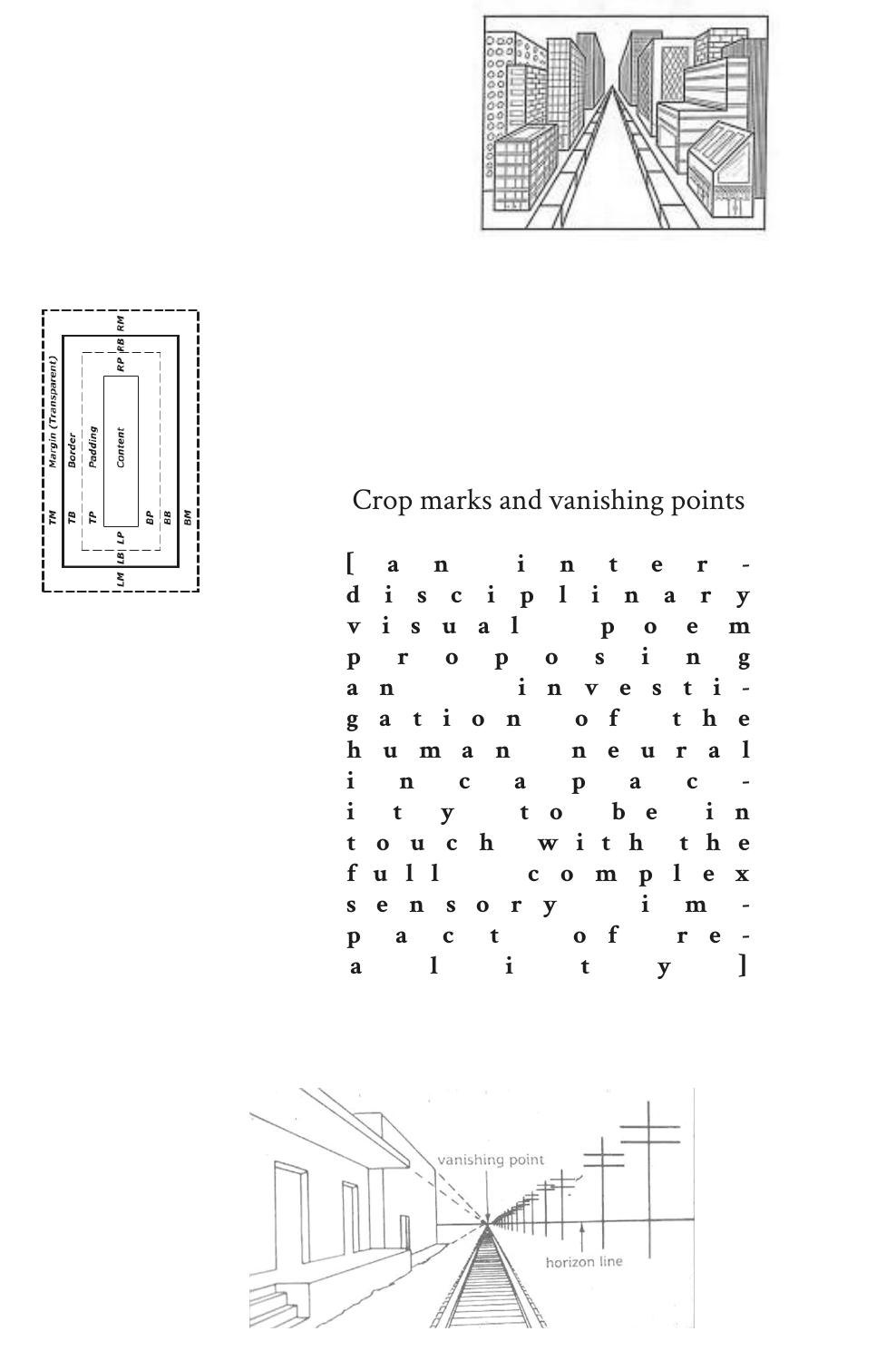
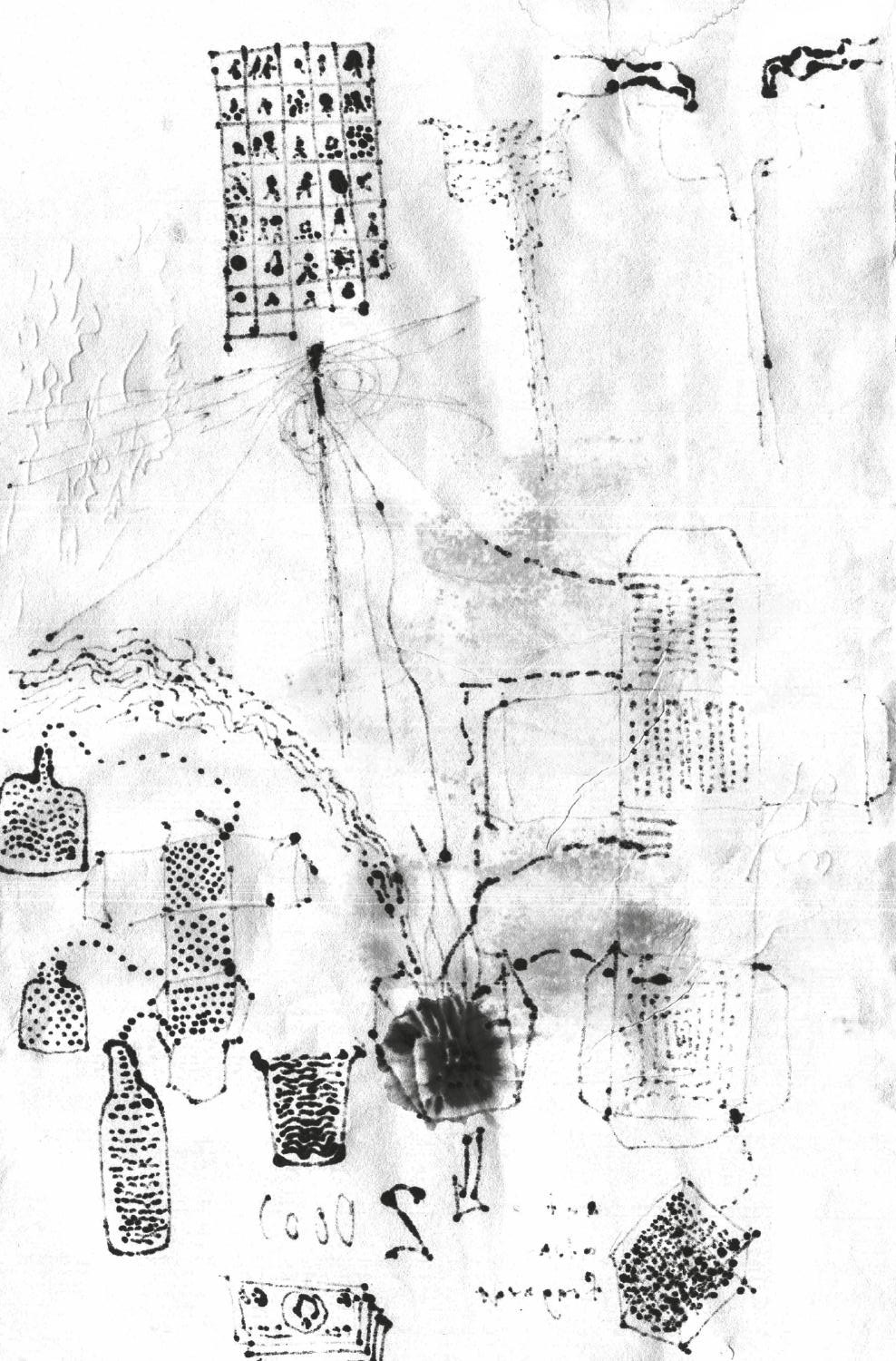
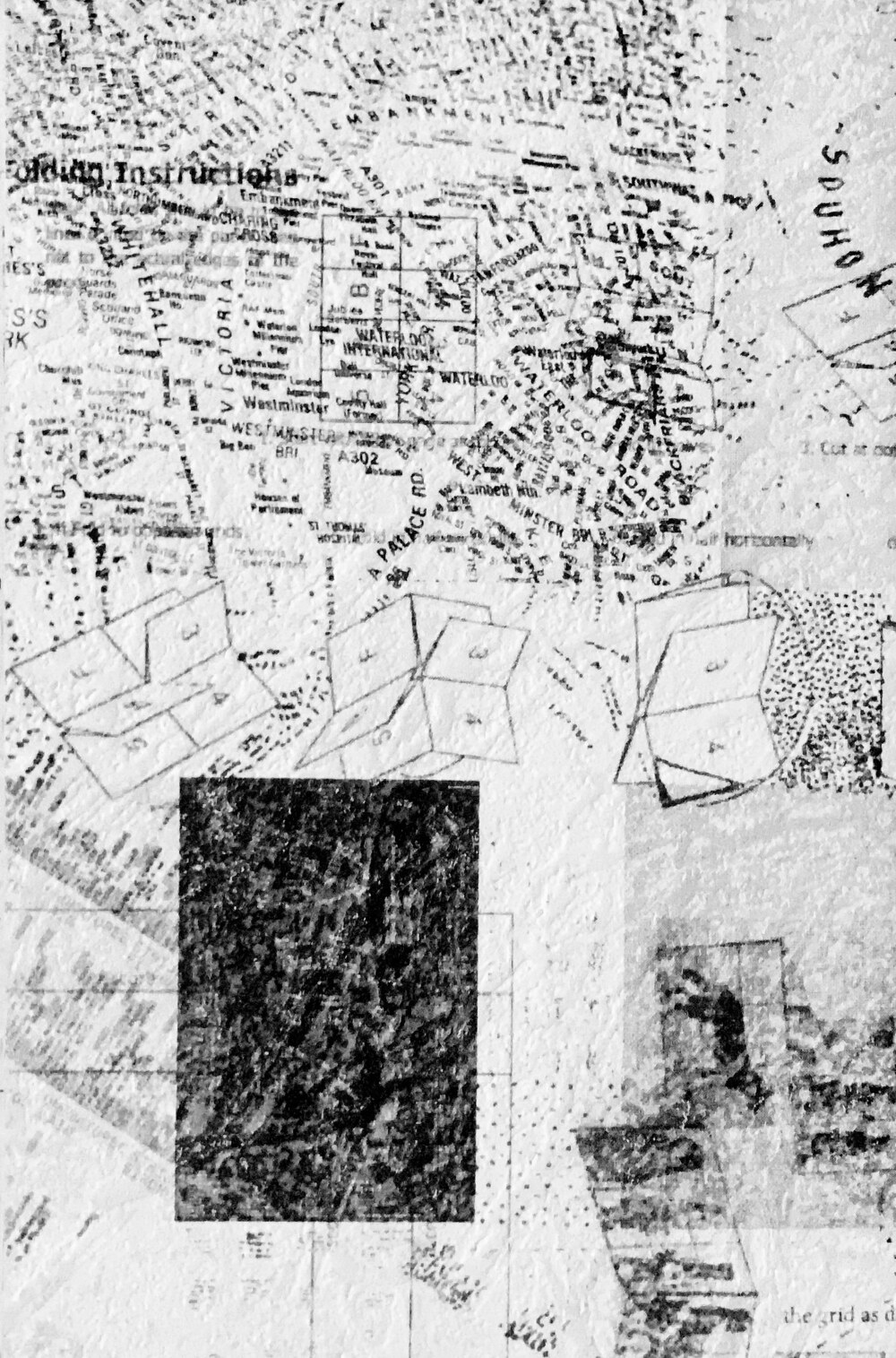
This research, interrogating visual technologies and forms, helped me to better approach an eye that cannot see itself, that exists through a prosthesis of imaginary outsides, deliberate blind spots and disembodiments. It led to a game with the modernist grid and linear perspective in thinking through the production of the urban environment, architects and designers drawing imaginary borders, cutting off waste and placing garbage dumps ‘elsewhere’. Urban waste and climate change are a systemic organised production caused by an imagined ‘outside’, a place somehow off the page. In ecology there is no outside, no elsewhere. You and I are in it, it is in us, and we have nowhere else to go. A book is a very powerful imaginary somewhere. In the history of unsustainable design, the book has been somehow both form and content, a conduit in human interactions with the planetary intelligence, in which not the hand, but the cross-hair, grid and rectangle becomes the ultimate human form imposed on the landscape.
Or maybe that was what I did not want to say. Because I think you can imagine something better.
— Kai Lossgott
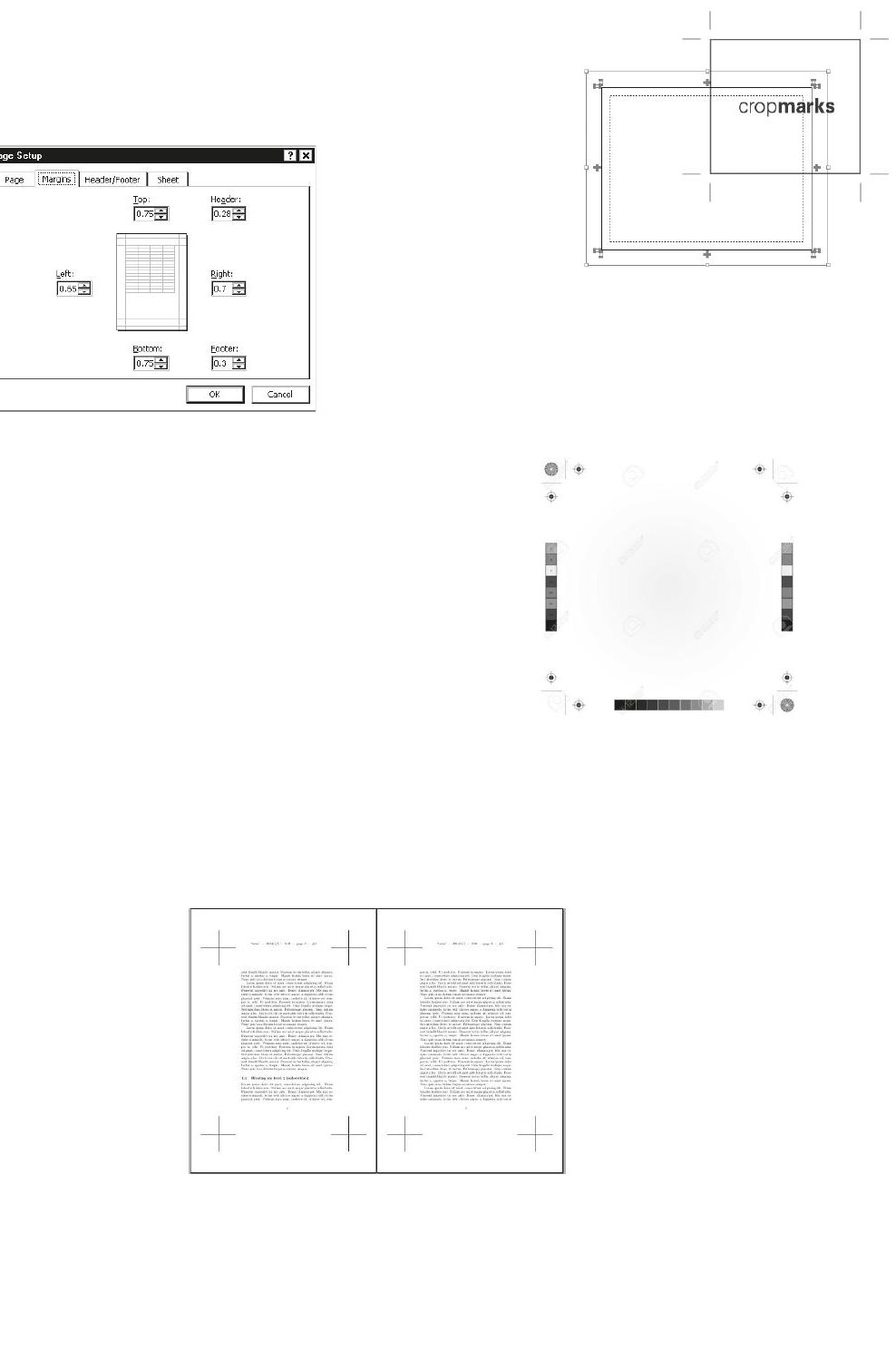
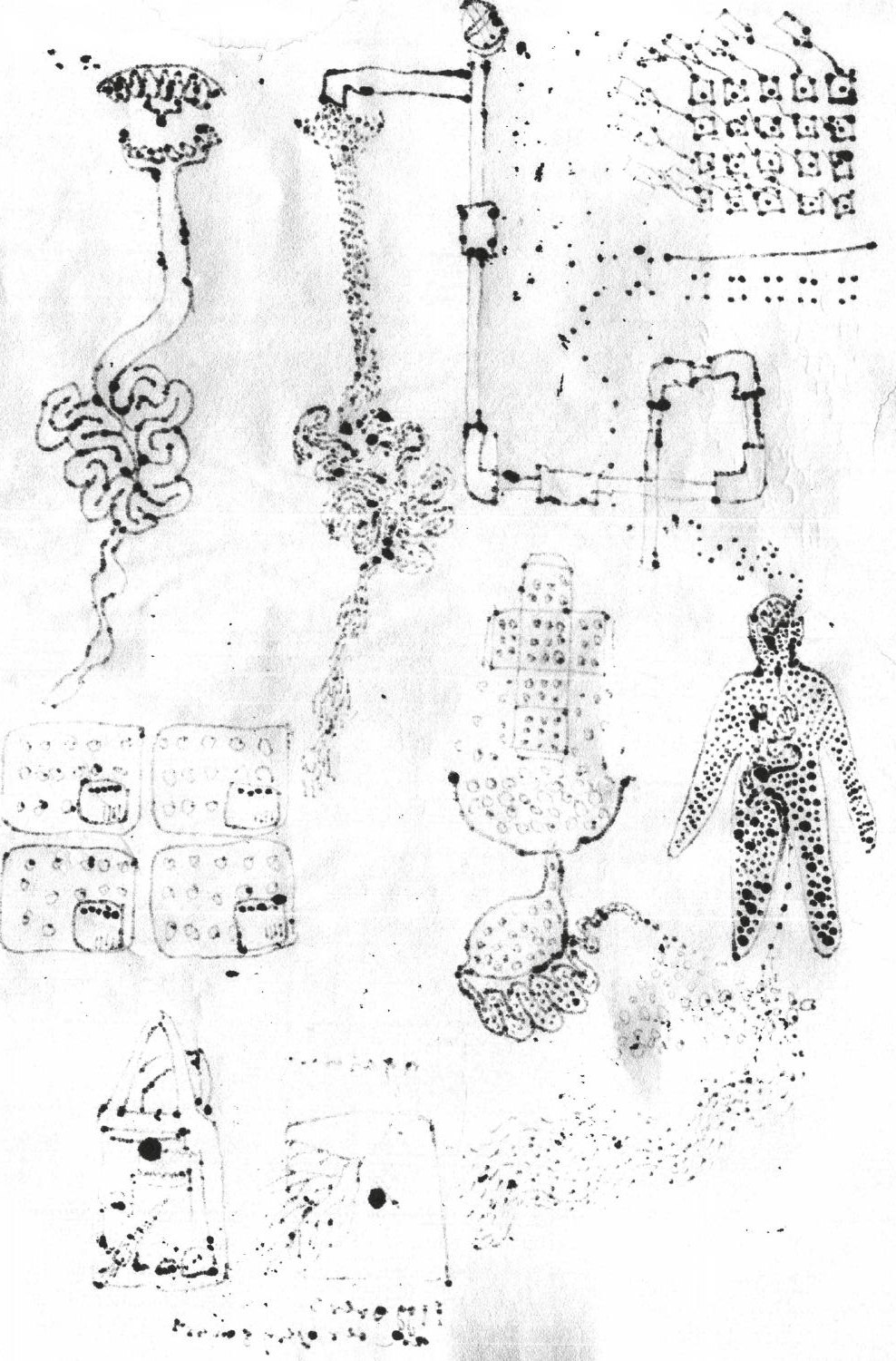
Crop marks and vanishing points [an interdisciplinary visual poem proposing an investigation of the human neural incapacity to be in touch with the full complex sensory impact of reality]
First published in ROAR (art.earth, 2019), a peer-reviewed interdisciplinary artist book-work commissioned by Anglia Ruskin University and the Cambridge School of Art, on integrating practice-based research with sustainability.
Kai Lossgott is an interdisciplinary artist, researcher and cultural careworker, born in Germany, raised in South Africa, at home in diaspora.
46 pp