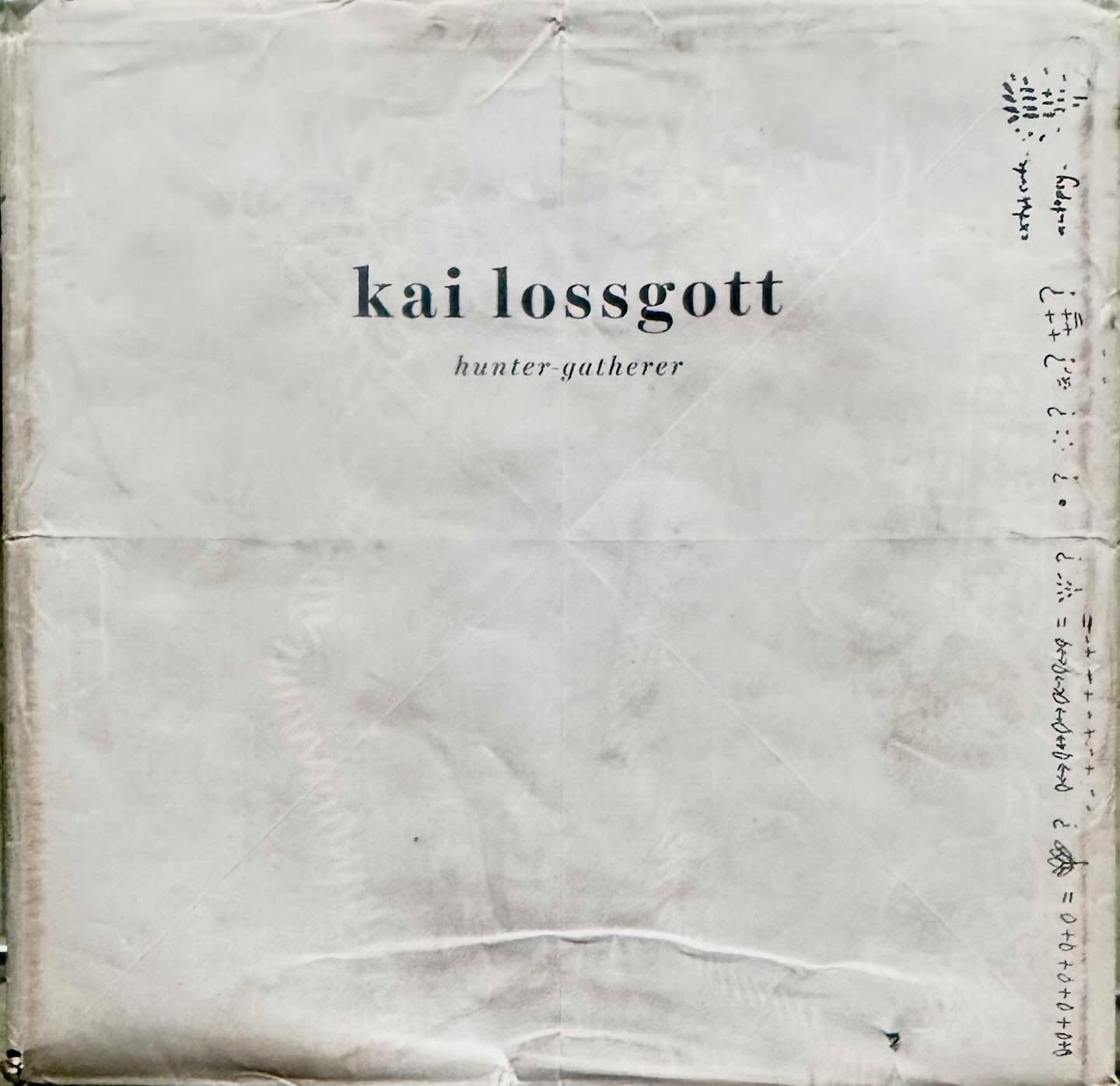
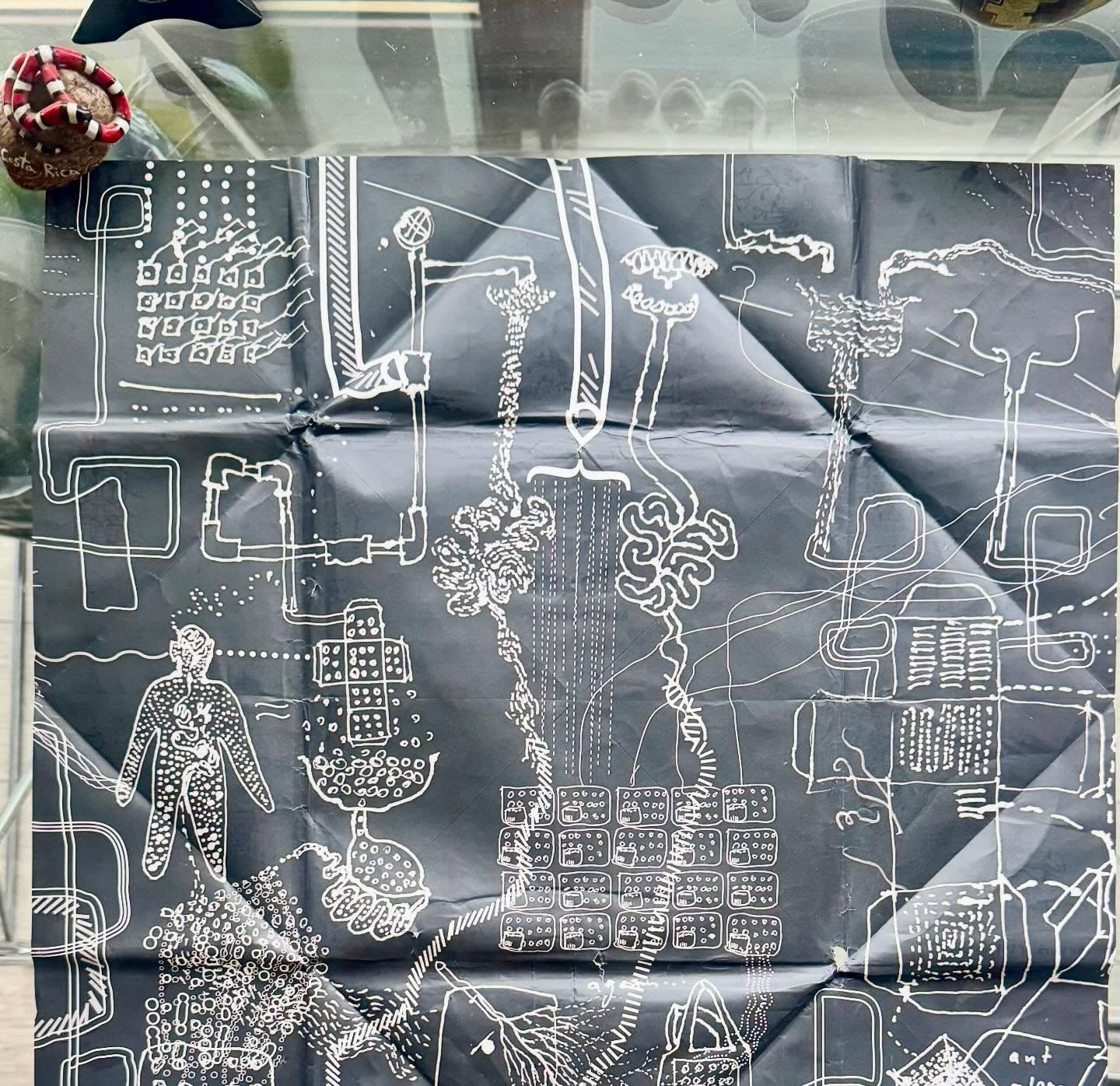
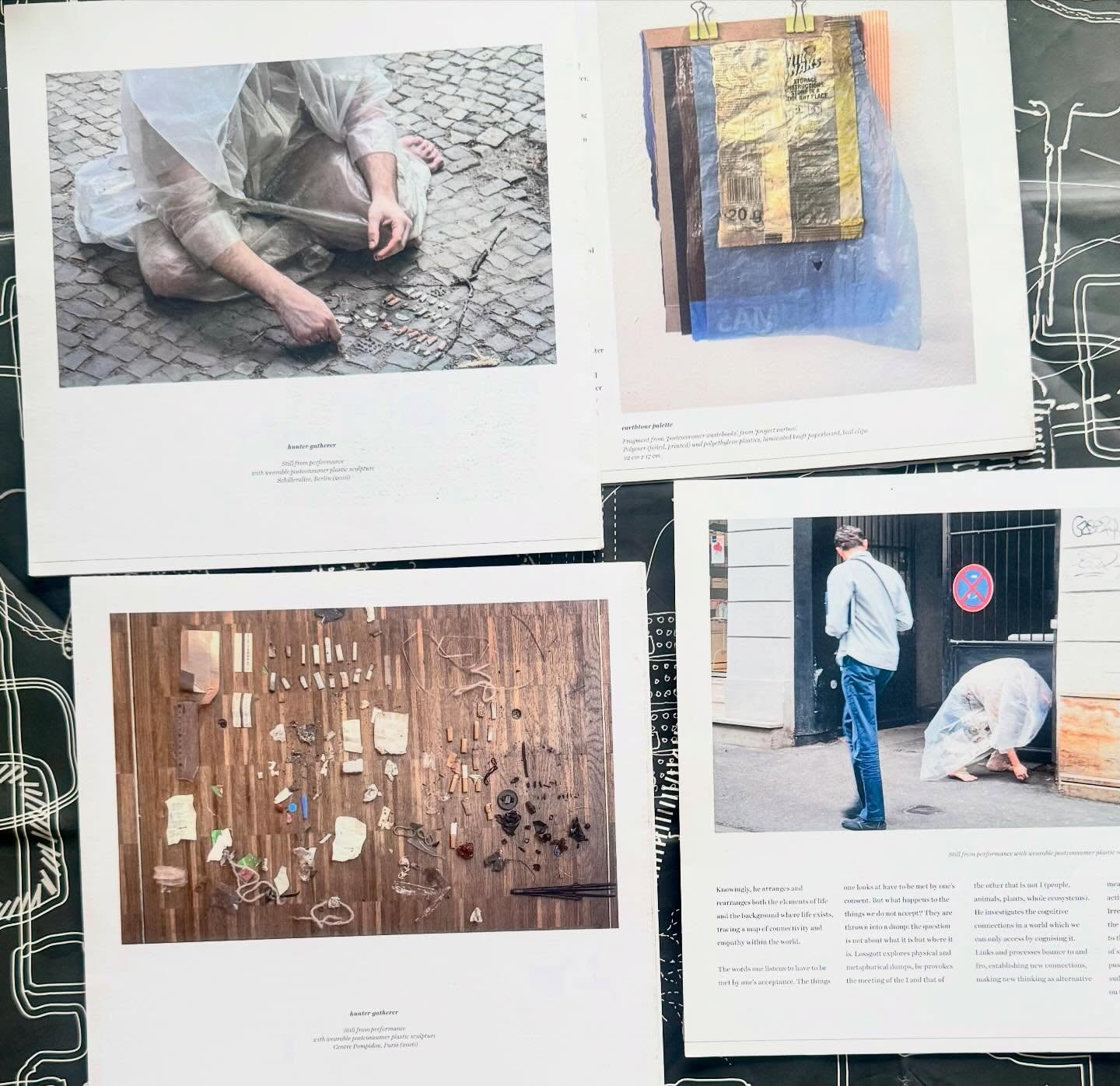
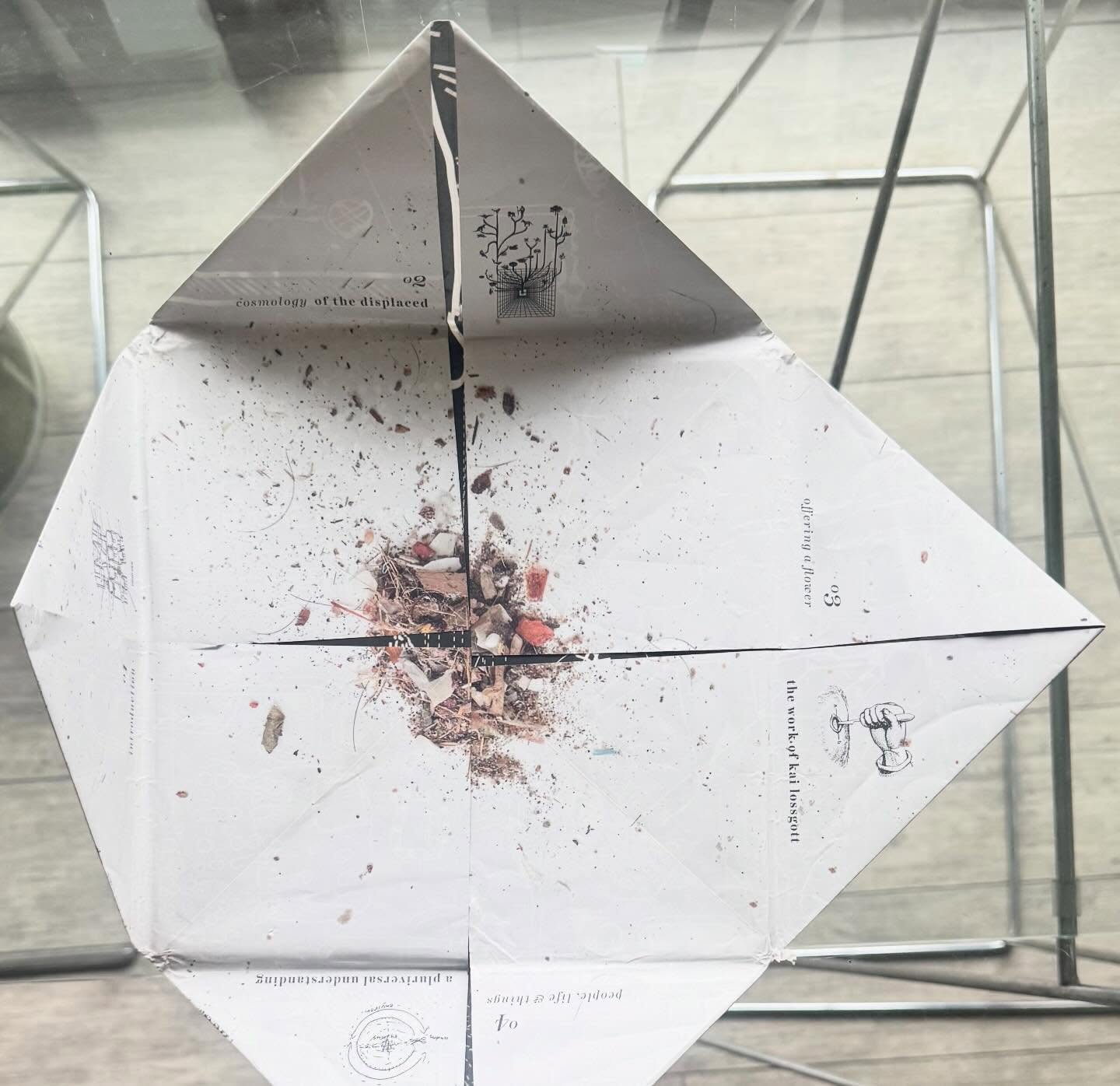
En su trabajo Kai releva la vida de los residuos y los materiales descartados por las ciudades industriales, abriendo los registros visuales del pasaje de los desechos que incluyen como dice uno de sus curadores, lo que Frantz Fanon denomina la no existencia, la infra vida, o la no vida de los elementos que componen el mundo de los colonizados.
Valga un saludo y reconocimiento para seguir nutriendo las miradas de sur a sur.
kai.lossgott
English translation
Hunter-gatherer. One of the good things that happened to me while making Cor de Saúva was meeting Kai Lossgott, a South African visual artist with whom I kept up an intense correspondence that I wove into the book through the simulacrum of an epistolary dialogue — a fictional letter I built by recycling the digital communication we carried on through emails and text messaging, to borrow the more anachronistic style of the analogue missive. We spoke about creative processes and emergent forms of writing in the context of South African post-apartheid and Chilean post-dictatorship, recognising a set of questions around the problems of translating experience; the logics of difference; critical views of humanism; conceptions of nature, childhood and memory. In his work, Kai surveys the life of the waste and discarded materials of industrial cities, opening up visual records of the passage of refuse that hold — as one of his curators puts it — what Frantz Fanon calls the non-existence, the infra-life, or the non-life of the elements that make up the world of the colonised. A greeting and an acknowledgement, to keep nourishing these south-to-south ways of seeing.